Long-Acting Formulation: The cagrilintide 10mg peptide is designed for once-weekly use, making it ideal for mix research with weekly GLP-1 agonists like semaglutide
When the Liver King fell from grace, the leaked list of the drugs he was on raised many eyebrows
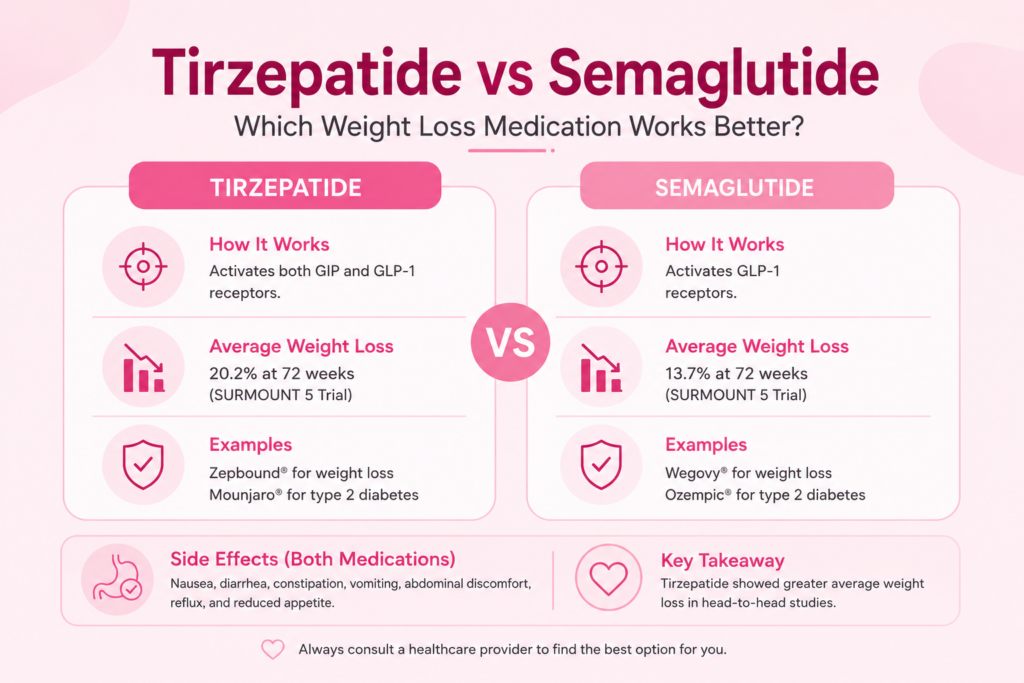
When switching to cash-pay compounded semaglutide makes financial sense The decision tree: Switch to compounded semaglutide if: Ambetter denied coverage and appeal was unsuccessful You have a Bronze or Silver plan with annual deductible above $3,000 and have not met the deductible Your plan places Ozempic on Tier 4 with copay above $350/month You want to use semaglutide for weight loss and do not have type 2 diabetes (no insurance coverage available) The Novo Nordisk savings card was rejected at your pharmacy Stay with Ambetter-covered Ozempic if: You have a Gold plan with low or no drug deductible and Tier 3 copay under $200/month You have already met your annual deductible and your coinsurance is under 30% The Novo Nordisk savings card was accepted, reducing your cost to $25/month You prefer brand-name FDA-approved medication over compounded alternatives The math for a typical scenario: Scenario: Silver plan, $3,500 deductible, Tier 4 Ozempic Months 1-4: Pay full price ($968.52/month) = $3,874.08 Deductible met after Month 4 Months 5-12: Pay 40% coinsurance ($387.41/month) = $3,099.28 Total annual cost: $6,973.36 Alternative: Compounded semaglutide through FormBlends Months 1-12: Pay $297/month (0.5 mg dose) = $3,564 Total annual cost: $3,564 Savings: $3,409.36 The savings increase if you are on a Bronze plan with a $6,000+ deductible

Why You Need a Doctor Specializing in Medical Weight Loss to Prescribe GLP-1 Medications Medical weight loss is not a DIY project that starts with a purchase from an online pharmacy that ships GLP-1 medications of sketchy origins and uncertain purity assuming it sends you anything at all for your money
Rodent models of maternal exposure to SSRIs generate ASD-like behavior in offspring, but clinical correlations with these preclinical findings are inconclusive